
Pre-Planning Surveys
When undertaking a new development, whether for residential, commercial, or infrastructure purposes, thorough site survey is crucial to ensure a project’s feasibility, safety, and compliance with planning regulations. Laser Surveys provides a wide range of surveys, assisting clients from initial land acquisition through to pre-planning and full development stages.
Desktop Utility Record Searches
Do you have a project we can help with?
Why Are Pre-Planning Surveys Important?
Early investigative surveys provide essential data on ground conditions, existing infrastructure, and environmental factors. This information helps developers, architects, and engineers mitigate risks, refine designs, and ensure compliance with regulatory requirements. Early stage surveys can prevent costly delays by identifying constraints and opportunities before planning applications are submitted.
Key Surveys for Pre-Planning
Sectors That Require Development Site Surveys
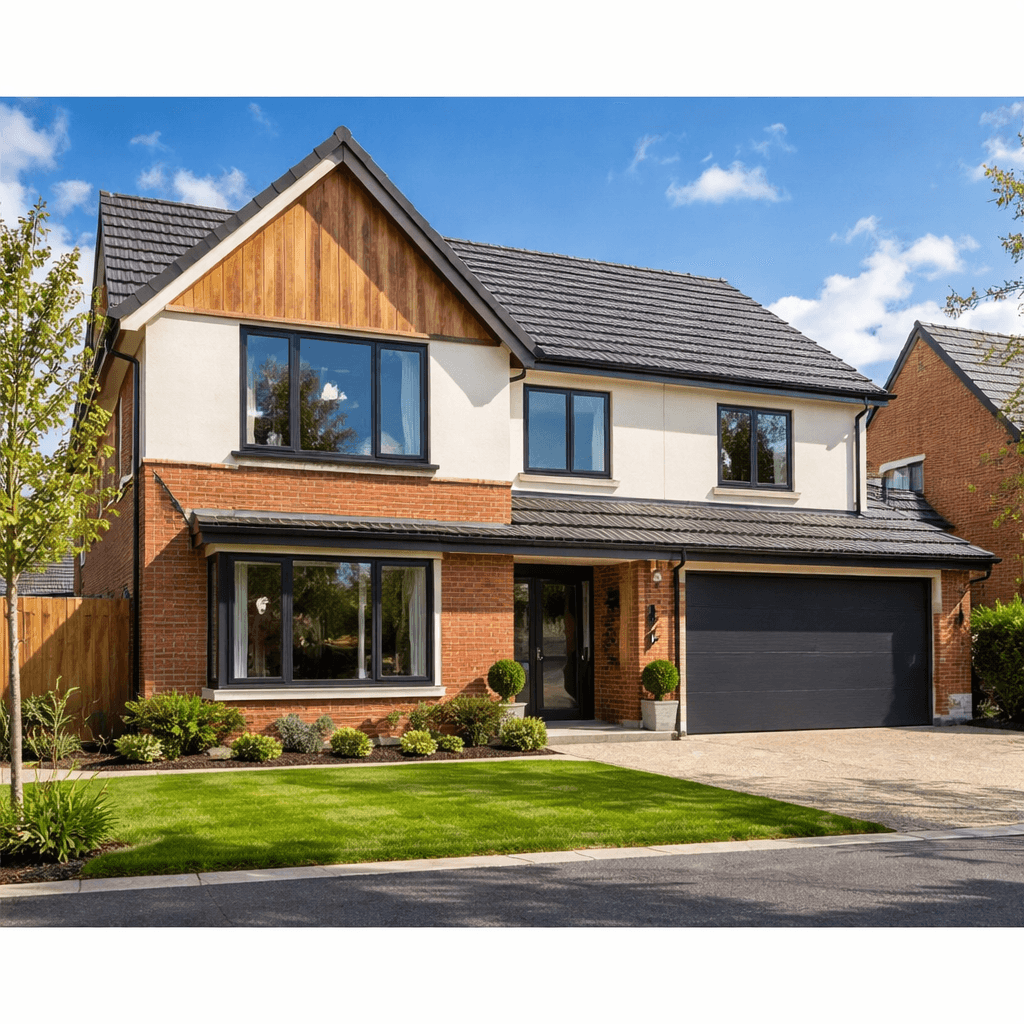
Residential Development
Housebuilders and property developers require detailed surveys to support planning applications and design proposals.

Commercial and Industrial Projects
Accurate site data is critical for retail, office, and industrial developments to ensure optimal land use and compliance with local planning policies.
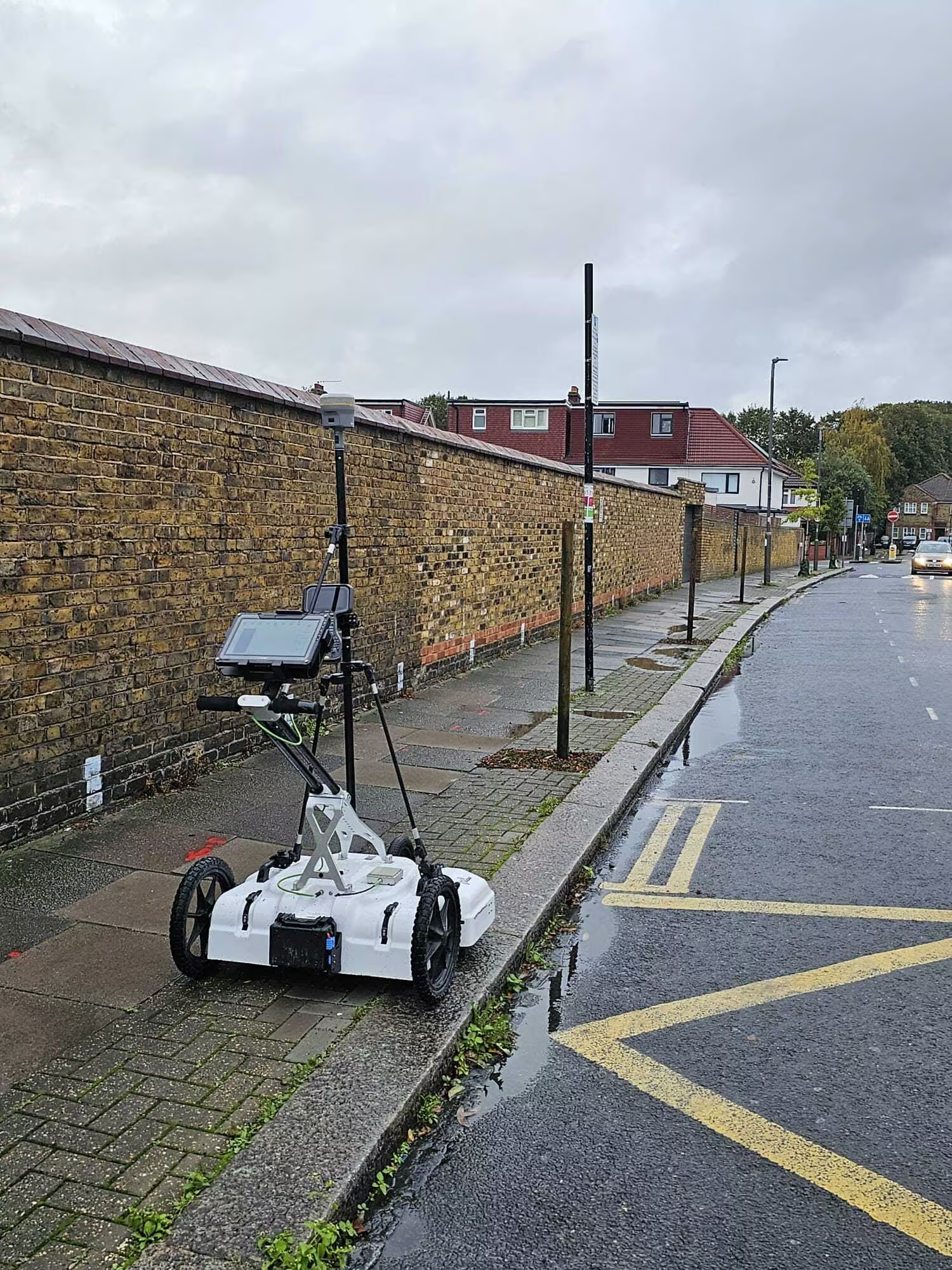
Infrastructure and Transport
Road, rail, and utility projects require extensive underground and topographical surveys to inform route planning and construction strategies.

Energy and Renewables
Wind farms, solar installations, and energy infrastructure projects rely on precise ground condition and topographical assessments.
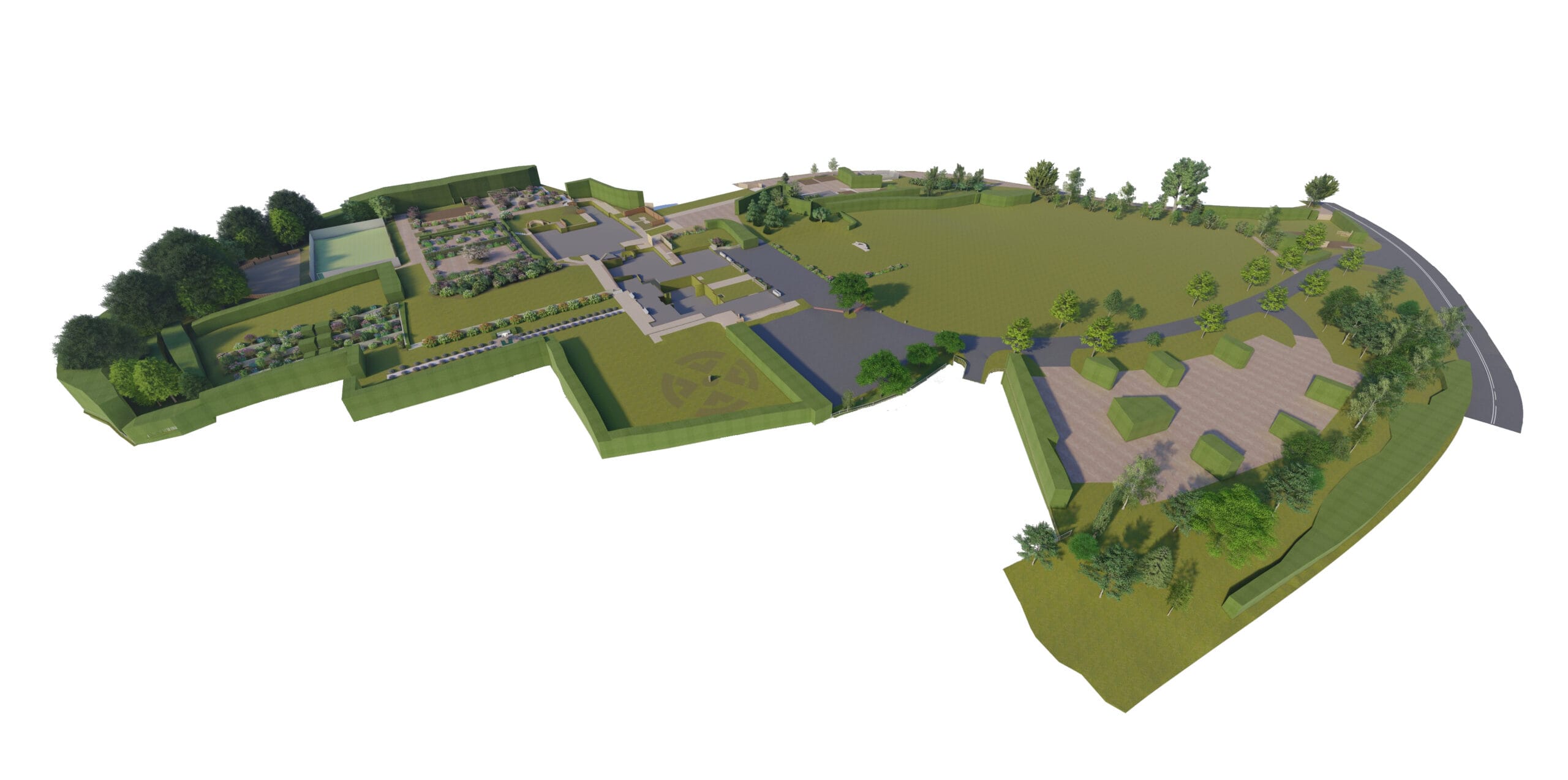
Public Sector and Local Authorities
Councils and government bodies require reliable survey data for schools, hospitals, and civic infrastructure projects.
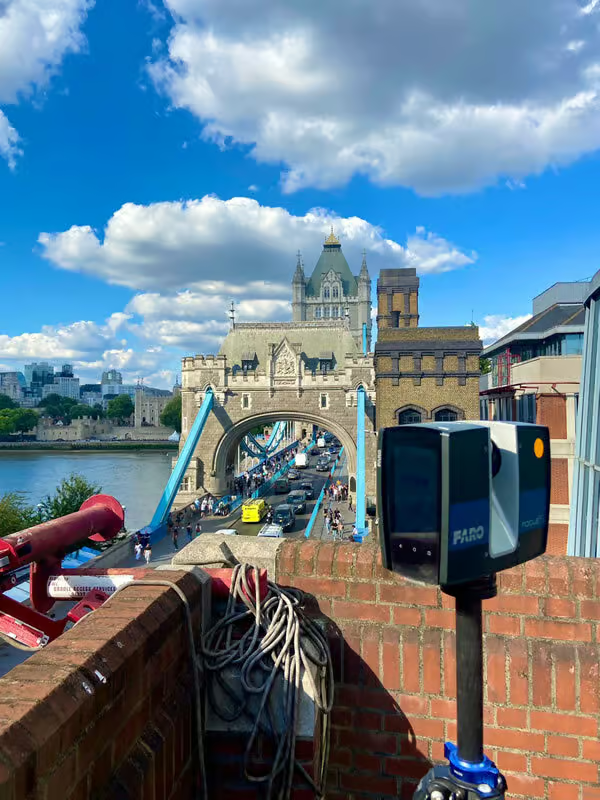
Heritage and Conservation Projects
Historic buildings, archaeological sites, and conservation areas require precise site investigation to assess structural integrity and ensure compliance with heritage protection regulations.
Background
Laser Surveys played a crucial role in the site investigation to support planning and design for the redevelopment of a mixed-use site in Crouch End, North London. Our team conducted topographical surveys, PAS128-compliant underground utility mapping, and measured building surveys, ensuring an accurate understanding of the existing site constraints. The data gathered enabled architects and developers to make informed decisions, mitigating risks and ensuring compliance with local planning regulations. This project highlights how our expertise in site investigation helps streamline urban development, providing accurate and reliable data from the pre-planning stage through to construction.
Enhance your early stage surveys with>
BIM-Ready 3D Models
A Building Information Modelling (BIM)-ready 3D model offers a highly detailed, data-rich digital representation of a site and its features. These models are invaluable during site investigation and pre-planning stages, providing a clear visualisation of existing conditions and aiding in informed decision-making.
Furthermore, because these models are BIM-ready, they serve as a continuous and reliable record throughout the project lifecycle and beyond. This ensures that essential site data is always accessible for facilities management, maintenance, and future compliance requirements, supporting efficient asset management long after construction is complete.
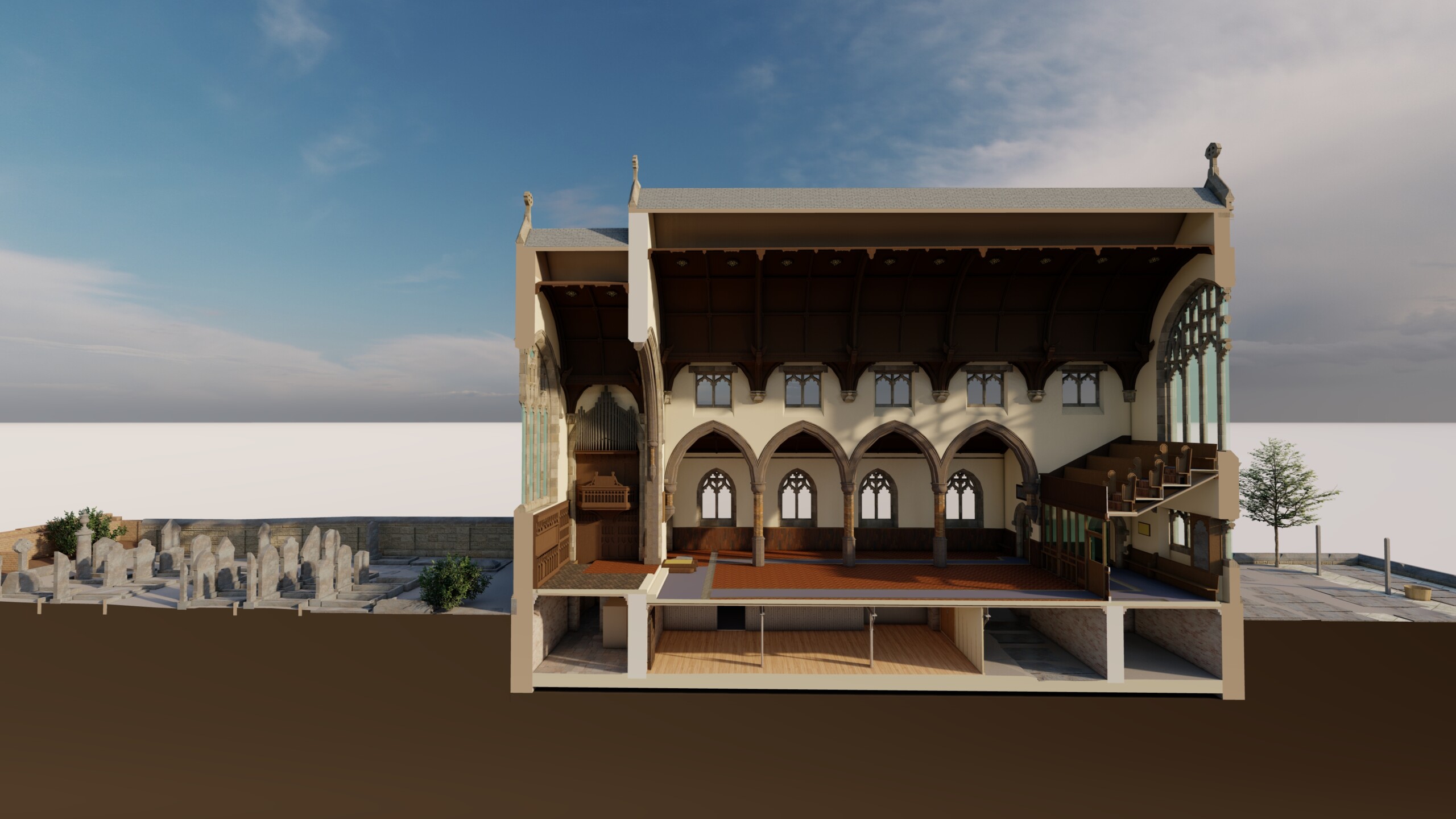
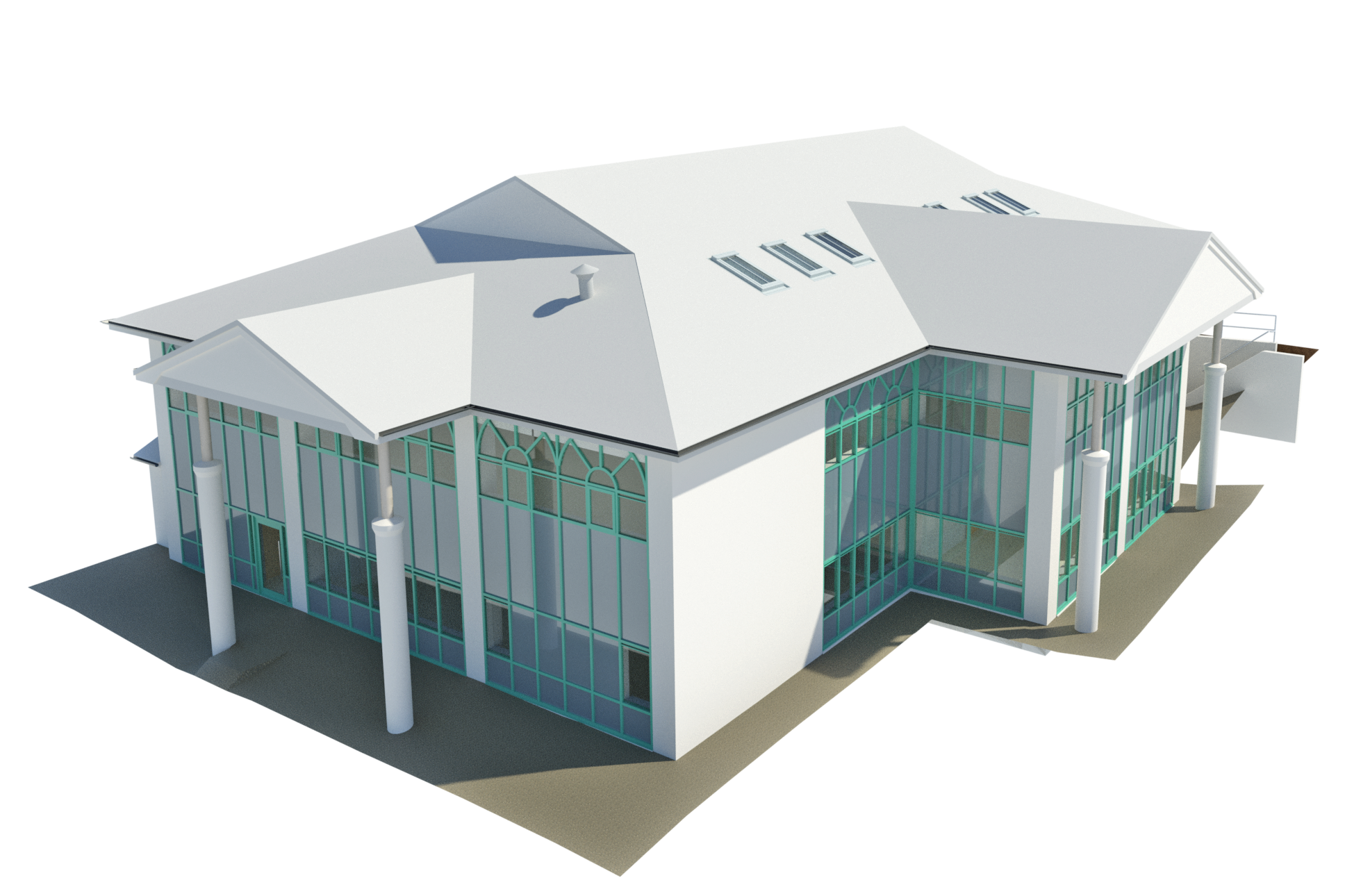
How would a BIM-Ready 3D Model enhance your Pre-Planning Surveys?
> Enhanced Design Accuracy: BIM models integrate topographical data, measured building details, and underground utilities, providing designers with a precise visual reference.
> Improved Coordination: Complex projects involving multiple stakeholders benefit from BIM models as they enable seamless collaboration between architects, engineers, and planners.
> Clash Detection: Identifying potential conflicts between proposed designs and existing site features helps mitigate costly errors during construction.
> Conservation and Restoration: For heritage and conservation projects, BIM models provide an accurate record of existing structures, supporting careful preservation and compliance with heritage regulations.
